This article explains what the color of your well water may indicate, the causes, and what steps can be taken to test and fix discolored well water…
Read Article ❯
Admiral Water Blog
Our blog features helpful content and information on water treatment and quality, well water, and well systems. Explore Admiral Water's insights, maintenance tips, and guidance to better understand and manage your well water.
Select Blog Topic
ALL Topics
Well Water
Water Treatment
Well Systems
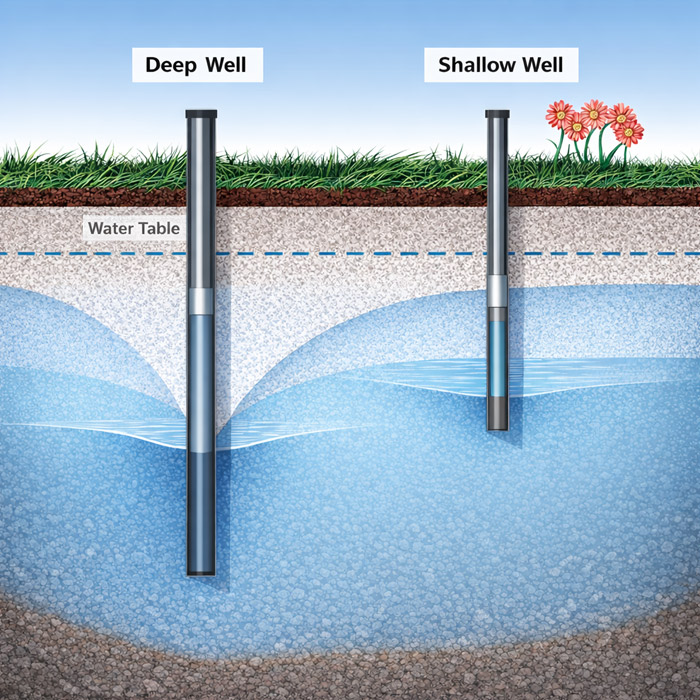
This article explains the differences between shallow wells and deep wells, including water source, reliability, quality, construction, cost, and how each type performs under…
Read Article ❯
This article explains what causes sulfur (rotten egg) odor in well water, how to identify the source, and what treatment steps can remove the smell…
Read Article ❯
This article explains what causes cloudy well water and what steps can be taken to test and fix it…
Read Article ❯
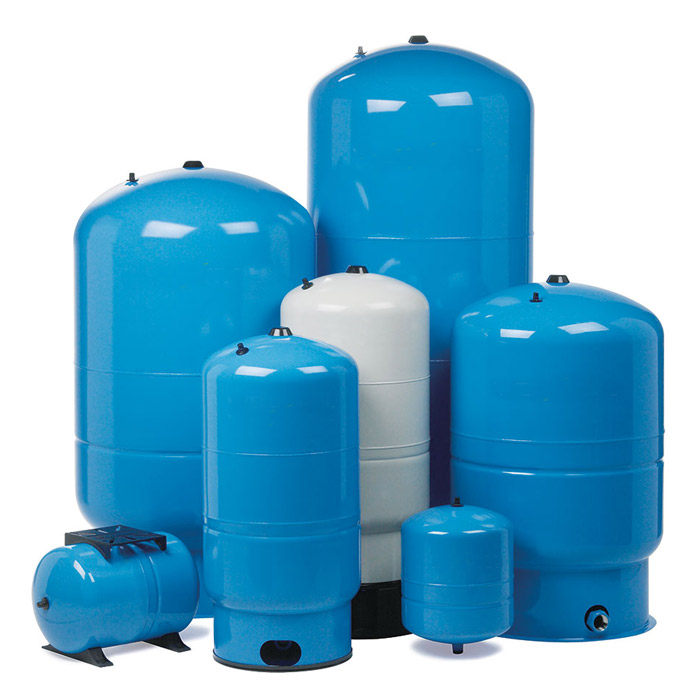
Well pressure tanks store and regulate water pressure in private well systems, helping maintain steady flow, reduce pump strain, and support reliable daily water use in the home…
Read Article ❯
Low water pressure can disrupt daily routines and signal problems within plumbing systems, well components, or water supply conditions. This article explains common causes and practical…
Read Article ❯
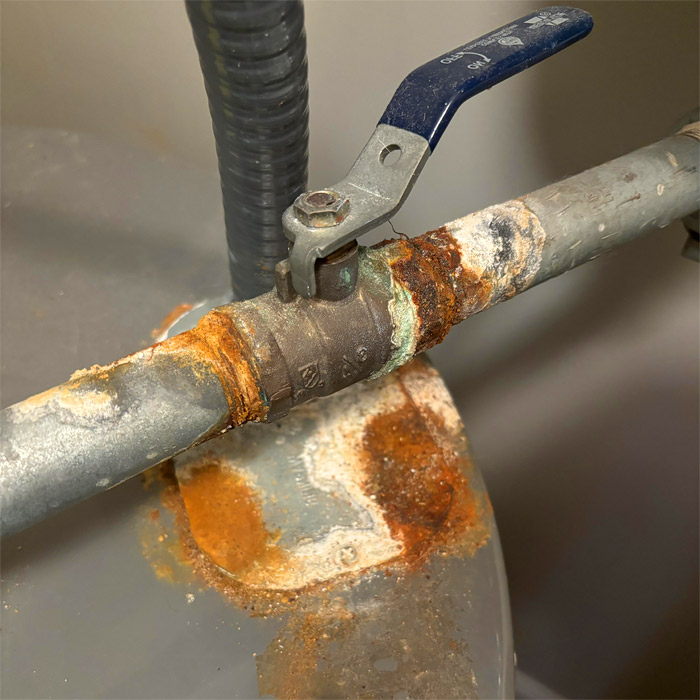
This article explains how high iron and rust in water impact plumbing, fixtures, and household appliances, including buildup, staining, reduced flow, and long-term wear inside…
Read Article ❯
This article explains why water can develop a metallic taste, what common causes may be behind it, how wells and plumbing can contribute, and what steps to take…
Read Article ❯
This article explains how an older well can impact water quality and pressure over time, covering corrosion, outdated construction, sediment buildup, and changing groundwater conditions…
Read Article ❯
Water treatment, filtration, and purification describe different ways to improve water quality. This article explains what each term means, the problems they address, and how homeowners…
Read Article ❯
This article explains how water treatment systems protect plumbing and appliances by reducing minerals, sediment, and other unwanted material before water enters the home's pipes…
Read Article ❯
This article explains why sediment appears in well water after rainstorms, where it comes from, how to identify it, and what steps homeowners can take when water turns cloudy…
Read Article ❯
This article explains the signs of a failing well pump, how they differ from other well system issues, and what to do when water problems start showing up…
Read Article ❯
This article explains how lead gets into drinking water, why it happens in both public water and private well systems, and what steps help identify and fix the problem…
Read Article ❯
Coliform bacteria in private well water can signal contamination risks, impact health, and require testing, treatment, and maintenance. This article explains causes, warning signs, and…
Read Article ❯
Soft water helps soap and detergent clean better by reducing mineral deposits, improving lather, lowering residue, supporting cleaner laundry and dishes, and reducing product use…
Read Article ❯
Hard water can damage appliances, water heaters, plumbing fixtures, and pipes by leaving mineral buildup that lowers efficiency, raises energy use, shortens equipment life, and…
Read Article ❯
Rainfall can change well water quality by altering groundwater flow, carrying contaminants, and shifting mineral balance. This article explains how rain impacts wells, signs to watch…
Read Article ❯
This article explains how to extend the life of your water treatment system through testing, maintenance, proper use, and early problem detection, helping homeowners avoid breakdowns…
Read Article ❯
Find out whether bottled water is safer than well water, how each is regulated, common risks, and how testing, treatment, and daily use shape long-term water safety at home…
Read Article ❯
A sudden loss of water from a private well can disrupt your life. This article explains steps you can take to find the cause, protect your well system, and know when to call for help…
Read Article ❯
Arsenic in groundwater and drinking water is a concern for homeowners, especially those using private wells in New Jersey, where it ranks among the most common contaminants exceeding…
Read Article ❯
This blog explains how water treatment can reduce long-term household costs by limiting scale buildup, lowering energy use, protecting plumbing and appliances, and cutting spending on…
Read Article ❯
Road salt plays a major role in winter safety, yet it can affect well water quality over time. This article explains how road salt can affect well water quality and what homeowners can do…
Read Article ❯
Water may contain contaminants that aren't always easy to detect. This article outlines the most common types found in both well and public water systems, along with practical solutions…
Read Article ❯
Buying a home with a private well requires reviewing water supply, system condition, and reliability. This article covers key checks, risks, and costs to help buyers make an informed decision…
Read Article ❯
Water softeners reduce hardness caused by calcium and magnesium. This article explains how they work, key components, maintenance, and when installing a water softener makes sense…
Read Article ❯
Seasonal shifts can change well water in ways many homeowners don't expect. This article explains how weather, temperature, and ground conditions influence well water quality and supply throughout the year…
Read Article ❯
PFAS are man-made chemicals that have spread through soil and water, raising concerns about long-term exposure. This article explains what they are and why private well owners face higher risk…
Read Article ❯
Private well and public water systems work differently. This article compares how each sources, treats, and delivers water, plus differences in cost, quality, reliability, and responsibility…
Read Article ❯
This article outlines the signs of a failing water well, showing when the system is breaking down at its source and can't reliably supply water, pointing to full replacement rather than simple repairs…
Read Article ❯