CALL
CALL TEXT
TEXT
What the Color of Your Well Water Is Telling You
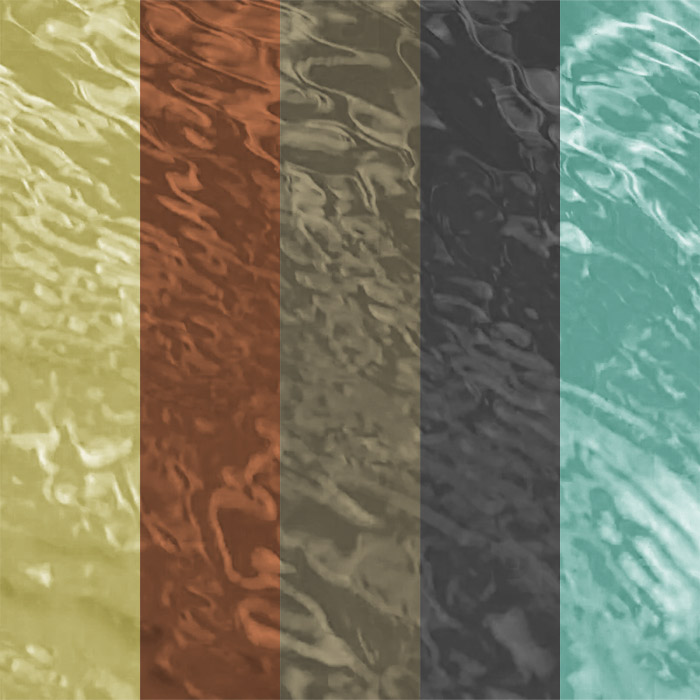
This article explains what the color of your well water may indicate, the causes, and what steps can be taken to test and fix discolored well water.
A change in well water color can be unsettling. Clear water is expected, so any shift toward yellow, brown, or another shade can raise concern right away. In most cases, the color points to something specific happening within the water or the system that delivers it.
Discoloration can come from minerals, sediment, corrosion, bacteria, or changes in groundwater conditions. The color itself acts as a clue. It helps narrow down what might be present in the water and where it may be coming from.
Not every color change signals a serious problem, but it should never be ignored. Even small changes can point to early stages of buildup or system wear. Paying attention to the color of your well water is one of the simplest ways to stay aware of water quality.
How to Tell If the Color of Your Well Water Is Coming From the Water or the Plumbing
Before focusing on specific colors, it helps to determine where the discoloration starts. This step can save time and prevent unnecessary work.
- If the color appears in both hot and cold water, the source is likely the well or the incoming water supply.
- If it shows up only in hot water, the water heater may be involved.
- When the color is limited to one faucet, the issue may be tied to that fixture or nearby pipes.
Another useful clue is how the water behaves after it sits. If particles settle at the bottom, sediment is likely present. If the color stays evenly mixed, dissolved substances may be involved.
Sudden changes can point to recent events such as heavy rain, system repairs, or equipment issues. Gradual changes may suggest buildup over time or aging components.
Common Well Water Colors and What They May Indicate
Different colors in well water can point to specific materials or conditions within the water supply. The sections below explain what each color may suggest and where it may be coming from.
Yellow Well Water
Yellow well water can appear light and almost clear at first glance, but the tint becomes more noticeable in a white sink or clear glass. This color is usually tied to tannins, mild iron, or organic material in the water.
Tannins come from decaying plant matter and can enter groundwater in areas with high organic content. They tend to give water a tea-like color and may also add a slight earthy or woody taste, sometimes described as similar to weak tea. It may also taste a bit musty but not metallic.
Mild iron levels can also lead to a yellow tint before the color deepens into orange or red. In some cases, yellow water appears after changes in groundwater conditions, such as heavy rain or shifts in the water table.
While yellow water isn't always harmful, it can stain fixtures and laundry over time. It also signals that the water contains material that may need to be treated.
Rust, Orange, or Red Well Water
Rust-colored water is one of the most common types of discoloration in well systems. It usually appears as orange, reddish, or deep rust tones and is strongly linked to iron.
Iron can be present in dissolved form or as small particles. When exposed to air, it can oxidize and change color, which is why water may appear clear at first and then turn rusty after sitting.
Iron bacteria can also play a role. These bacteria feed on iron and produce a slimy buildup that can coat pipes and equipment. This can lead to uneven color and recurring staining.
In some cases, the source may be corrosion within plumbing or the water heater. Older pipes can release rust into the water, especially after changes in flow or pressure.
Brown Well Water
Brown water is usually darker and more noticeable than rust-colored water. It can range from light brown to deep, muddy tones and is often linked to sediment or disturbed groundwater.
Sediment can enter the system when the ground shifts, when heavy rain moves material through the soil, or when the well itself is disturbed. It can also appear when pumps pull water too aggressively, stirring up material from the bottom of the well.
In some cases, high levels of iron or manganese can also contribute to brown water, especially when combined with sediment. This can lead to a thicker appearance and more visible particles.
Brown water may appear suddenly and may clear up after a short time, or it may persist if the source remains active. This type of discoloration usually points to physical material in the water rather than dissolved substances.
Black Well Water
Black or very dark water can be surprising and may raise concern quickly. This color is commonly linked to manganese, which is a naturally occurring mineral found in some groundwater.
Manganese can remain dissolved in water and then turn dark when exposed to air or changes in temperature. This can lead to water that appears clear at first but becomes darker after sitting.
In some cases, black water may also be tied to sulfur-related conditions or decaying organic material. These situations may come with changes in odor or taste.
Buildup inside plumbing or treatment equipment can also release dark particles into the water. This can happen when deposits break loose after changes in flow or pressure.
Black water is less common than other colors, but it's still a known issue in certain areas and should be addressed when it appears.
Green or Blue Well Water
Green or blue water is less common but often points to copper in the plumbing system. When copper pipes begin to corrode, small amounts of metal can enter the water and give it a bluish or green tint. This may be more noticeable in hot water or in areas where water sits in pipes for longer periods.
In rare cases, green tones may be tied to algae, though this is more likely in surface water systems than in properly sealed wells.
Cloudy or Milky-White Well Water
Cloudy or milky-white water is usually caused by air bubbles or very fine suspended particles. It tends to clear after sitting and is handled in more detail in a separate discussion. Read our article all about cloudy well water.
What Recent Changes Can Trigger Discolored Well Water
Changes in water color are often tied to recent events or shifts in conditions. These changes can happen quickly or develop over time.
Heavy rain can move sediment and organic material into groundwater. Seasonal shifts can change water levels and influence how minerals behave. Drought conditions can concentrate substances in the water, leading to stronger color.
Work done on the well, plumbing, or nearby land can also disturb the system. Well pump issues, pressure changes, and aging equipment can release buildup into the water.
Water treatment systems can also play a role. Filters that aren't maintained can stop working as intended, and media inside tanks can break down and release particles.
When Well Water Color May Point to a Bigger Problem
Some color changes are minor and short-lived, but others may signal something more serious. Sudden changes that don't clear up should be taken seriously.
Water that stains fixtures, smells unusual, or tastes different than usual may need closer attention. Repeated discoloration, even if it comes and goes, can point to ongoing conditions within the well or system.
In some cases, discoloration can interfere with water treatment or allow buildup to develop inside pipes and equipment. This can lead to reduced flow and increased wear over time.
How Discolored Well Water Is Tested and Diagnosed
Testing is the most reliable way to confirm what's causing discoloration. A water test can identify minerals, bacteria, and other substances that may be present. Basic testing may focus on iron, manganese, and general water quality. More detailed testing can check for bacteria and other conditions that may not be visible.
Inspection of the system may also be needed. This can include checking the well, pump, pressure tank, and plumbing for signs of wear or buildup.
How Different Well Water Color Problems Are Fixed
The right solution depends on the cause of the discoloration. Each type of issue has its own approach.
- Iron and manganese problems can be addressed with filtration or oxidation systems.
- Sediment can be managed with sediment filters and system flushing.
- Tannin-related color may require specialized treatment.
- Corrosion issues may need plumbing adjustments or changes in water chemistry.
- Bacterial problems may be treated with disinfection and follow-up maintenance.
In some cases, a single step can resolve the issue. In others, ongoing treatment may be needed to keep the water clear.
Well water color changes provide clear signals about what may be present in the water or happening within the system. Each color points to specific causes, from minerals to sediment to plumbing issues. By identifying the source, testing the water, and applying the right solution, it becomes possible to restore clarity and maintain reliable water quality over time.