CALL
CALL TEXT
TEXT
Well Pressure Tanks: What They Do and Why They're Important
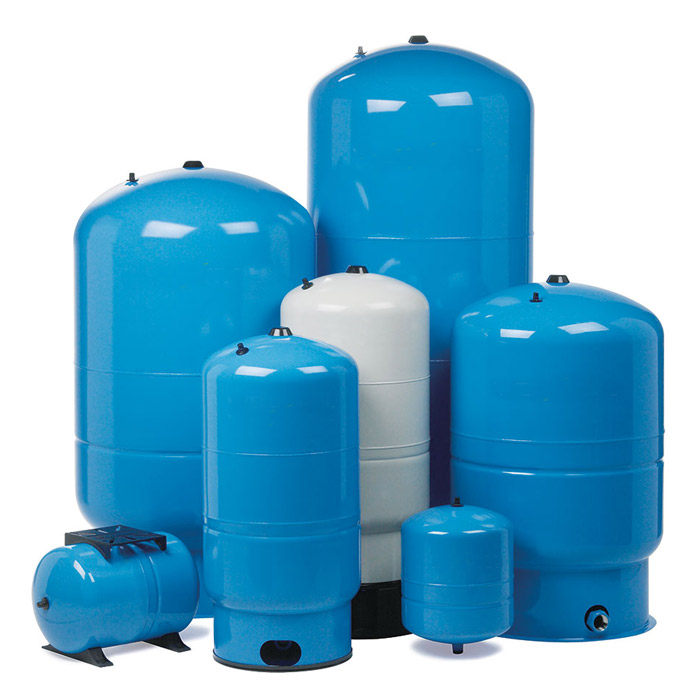
Well pressure tanks store and regulate water pressure in private well systems, helping maintain steady flow, reduce pump strain, and support reliable daily water use in the home.
What a Well Pressure Tank Is
A well pressure tank is a core part of a private well system. It holds water under pressure so the home can draw water without forcing the pump to start every time a faucet opens. Inside the tank, water and air work together to maintain pressure. The air is compressed as water enters, and that stored pressure pushes water out when it's needed.
Most modern tanks use a bladder or diaphragm. This separates water from air, which helps keep pressure stable and reduces the need for frequent adjustments. Older tanks without this separation can still be found in some homes, but they require more attention and tend to lose performance over time.
Without a pressure tank, the system wouldn't be able to deliver steady water flow. The pump would have to run constantly, which would lead to faster wear and frequent breakdowns.
How a Well Pressure Tank Works
A pressure tank works alongside the well pump and pressure switch. When water is used in the home, pressure in the system drops. Once it reaches a set level, the pressure switch signals the pump to turn on.
As the pump runs, it fills the tank with water. At the same time, air inside the tank compresses. This builds pressure. When the pressure reaches the upper limit, the switch turns the pump off. From that point, the tank supplies water to the home using the stored pressure. This continues until pressure drops again and the cycle repeats.
This process happens quietly in the background. Most homeowners don't notice it unless something changes. When working properly, it keeps water flow steady and predictable.
Why the Well Pressure Tank is Important
The pressure tank plays a large role in how water feels during normal use. It helps maintain consistent pressure at faucets, showers, and appliances. Without it, water flow would feel uneven and unreliable.
It also reduces how often the pump needs to run. Instead of starting every time a small amount of water is used, the pump runs less frequently and for longer, more efficient cycles. This reduces wear on the pump and extends its lifespan.
The tank also helps manage short bursts of water use. Turning on a faucet for a few seconds doesn't require the pump to activate. The tank handles that demand using stored pressure.
The Relationship Between the Well Pump and the Pressure Tank
The well pump and pressure tank work together, but they have different roles. The pump moves water from the well into the home. The pressure tank manages how that water is delivered.
The pump fills the tank and builds pressure. The tank then releases water as needed. This balance allows the system to operate smoothly without constant pump activity.
When either part of the system has a problem, the effects can overlap. Weak pressure, inconsistent flow, or frequent cycling can be tied to either component. That's why it's important to understand how they interact rather than assuming one part is always responsible.
A healthy system depends on both the well pump and pressure tank working correctly.
Common Well Pressure Tank Problems and Signs
Pressure tank problems tend to show up through changes in how the system behaves during everyday use. These changes usually build over time, then become more noticeable as performance declines.
One of the clearest signs is rapid pump cycling. The pump turns on and off in short bursts, sometimes every few seconds. This usually points to a loss of air charge or a waterlogged tank, where the internal air cushion is no longer doing its job.
Water pressure may also feel unstable. It can start strong, then drop suddenly, then return again. This pattern can be tied to a failing bladder or diaphragm inside the tank. When that internal barrier breaks, the tank can't hold pressure the way it should.
Another sign is a reduced amount of usable water before the pump starts again. The system seems to run out of pressure too quickly, which means the tank isn't storing enough pressurized water.
In some cases, unusual sounds may come from the tank or nearby components. Clicking, humming, or vibration can point to irregular cycling or pressure control issues.
Physical signs can also appear. Rust, corrosion, or small leaks on the tank's exterior suggest the tank is weakening. Over time, this can lead to failure if not addressed.
These problems don't stay isolated. As the tank loses its ability to hold and regulate pressure, the pump is forced to run more frequently. This increases wear, raises energy use, and puts added strain on the entire system.
When these signs show up, the system is no longer operating the way it should. Addressing the issue early can help prevent more serious issues and avoid damage to other components.
How Pressure Tank Problems Differ from Other Well System Issues
Pressure tank issues can look similar to other problems in a well system. That can make diagnosis confusing.
A failing pump can also cause weak pressure, but the pattern is usually a steady decline rather than rapid cycling.
Clogged filters can restrict water flow across the home. In that case, pressure drops suddenly and improves after the filter is replaced.
Plumbing blockages tend to affect specific fixtures rather than the entire system. The issue stays localized.
Low-yield well conditions usually appear during heavy use. Water may run out temporarily, then return after some time.
Understanding these differences helps narrow down the cause without jumping to the wrong conclusion.
Regular checks can help keep a pressure tank working properly and reduce the risk of sudden problems.
- Watching how the pump cycles is a simple starting point. If it turns on and off too quickly, something may be wrong.
- The pressure gauge can also provide useful information. It should move steadily within a normal range. Irregular movement can point to a problem.
- Checking for visible leaks or rust around the tank is another basic step. Any signs of damage should be addressed early.
- Air charge should also be checked periodically, especially in tanks that show signs of pressure loss.
These small checks don't take much time but can help catch problems before they get worse.
Some issues go beyond simple checks and require professional service. If pressure problems persist or worsen, it's time to bring in a technician.
Rapid cycling that doesn't improve is a clear sign that the system needs attention. This condition puts stress on the pump and shouldn't be ignored.
Consistent water pressure loss in the home also needs evaluation. This can point to internal tank failure or other system issues.
Visible damage, such as rust or leaking, should be handled by a professional. These issues can worsen quickly and affect safety.
A complete loss of water is another situation that obviously requires immediate service.
Professional diagnosis helps identify the exact cause and prevents unnecessary replacements.
A well pressure tank supports steady water flow, protects the pump from excessive wear, and helps the system operate with consistent performance. When it works properly, daily water use stays reliable and predictable.