CALL
CALL TEXT
TEXT
How Soft Water Improves Soap and Detergent Performance
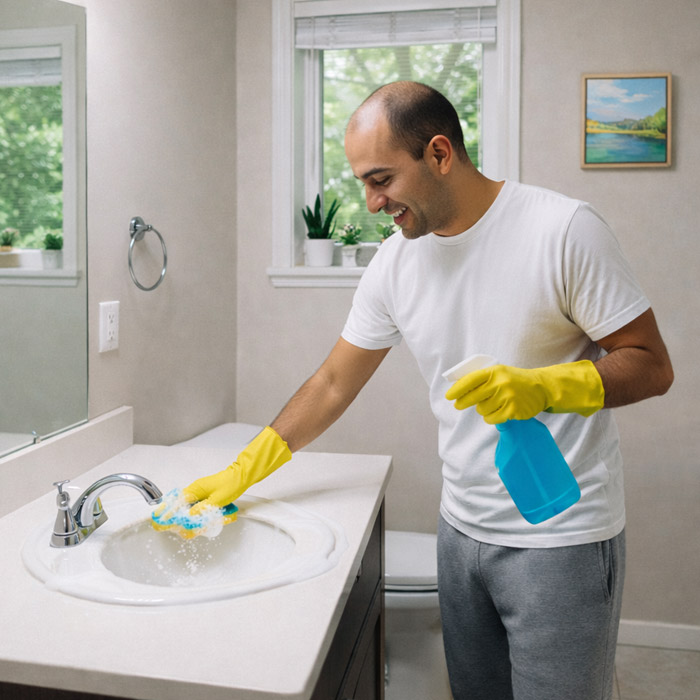
Soft water helps soap and detergent clean better by reducing mineral deposits, improving lather, lowering residue, supporting cleaner laundry and dishes, and reducing product use, buildup, and long-term household cleaning costs.
Why Soap and Detergent Work Better in Soft Water
Soap and detergent rely on chemical action to break up dirt, oils, and debris. When minerals are present in high amounts, part of that cleaning power is lost because the soap binds with calcium and magnesium instead of doing its job.
In soft water, that interference is removed. Soap can lather more easily, spread more evenly, and stay active longer during washing. Detergent can focus on lifting dirt and rinsing it away instead of being tied up by mineral content.
This leads to more efficient cleaning with less effort. Products rinse out more cleanly, and surfaces feel cleaner without a film left behind. It also means people don't have to keep adding extra soap to get the same level of cleanliness.
There's a subtle shift here that many people notice quickly. Cleaning feels smoother and more predictable. Tasks that once needed extra scrubbing or repeated washing may start to feel easier to manage.
How Soft Water Improves Cleaning Around the House
Household cleaning tasks benefit in a steady, practical way when soft water is used. Surfaces that come into contact with soap and water tend to rinse cleaner and dry without streaks or residue.
Sinks, tubs, showers, and countertops are easier to clean because soap can do its job without interference. Cleaning solutions spread evenly, lift dirt more effectively, and rinse away without leaving behind a dull film.
Floors can also look cleaner after mopping. With fewer minerals in the water, there's less chance of streaking or haze forming as the surface dries. This can reduce the need for repeated passes with a mop or extra rinsing.
Kitchen cleaning also becomes more manageable. Grease and food residue on surfaces can break down more easily when detergent is fully active. Dishes washed by hand tend to feel cleaner, and rinsing doesn't leave behind a chalky residue.
These changes may seem small at first, but they add up. Less time spent scrubbing, fewer repeat cleanings, and more consistent results can make everyday chores feel less frustrating.
How Soft Water Helps with Laundry
Laundry is one of the areas where soft water makes a clear difference. Detergent works more efficiently, which leads to cleaner fabrics with less product.
Clothes washed in soft water tend to come out looking brighter and feeling softer. That's because detergent can fully lift dirt and oils from fabric fibers, then rinse them away without leaving behind residue.
In hard water, some detergent stays trapped in the fabric along with mineral deposits. This can make clothes feel stiff or look dull over time. Soft water reduces that issue, so fabrics keep a cleaner, fresher feel.
Towels can feel softer and more absorbent. Sheets may feel smoother. Everyday clothing can hold its color better over time. These changes are tied to how well detergent rinses out after doing its job.
Another benefit is reduced detergent use. Since soap works more effectively in soft water, smaller amounts are needed. That can help lower costs and reduce buildup inside the washing machine.
There's also less wear on fabrics. When clothes aren't coated with residue or exposed to repeated heavy washing cycles, they tend to hold up better over time.
How Soft Water Improves Bathing and Personal Care
Soft water can change how soap, shampoo, and body wash behave during bathing. Products lather more easily and spread more evenly across the skin and hair.
Rinsing also becomes more effective. Soap and shampoo wash away cleanly instead of leaving behind a film. Skin may feel less coated after bathing, and hair can feel lighter and easier to manage.
In hard water, residue can stay behind on the skin and scalp. This can lead to a feeling of dryness or buildup, even after rinsing thoroughly. Soft water reduces that residue, which can lead to a cleaner, more comfortable feeling.
Shaving can also feel smoother when soap lathers properly and rinses away without leaving a layer behind. Body wash and facial cleansers can work more consistently, which can help simplify daily routines.
These changes are usually noticed in small ways at first, then become more apparent over time. A smoother rinse, a lighter feel on the skin, and less need for extra product can make daily care feel more straightforward.
Why Soft Water Reduces Soap Scum and Buildup
Soap scum forms when soap reacts with minerals in hard water. That reaction leaves behind a sticky residue that clings to surfaces like shower walls, tubs, glass doors, and fixtures.
With soft water, that reaction is reduced. Soap stays dissolved in the water and rinses away more cleanly. This leads to less buildup on surfaces and less need for frequent scrubbing.
Bathrooms tend to stay cleaner for longer periods. Glass shower doors may stay clearer. Tile and grout can be easier to maintain because there's less residue settling into small gaps.
Kitchen areas can also benefit. Sinks and faucets may show fewer white marks. Dishes may come out cleaner without a film. Even dishwashers can stay cleaner inside because less residue forms during each cycle.
This doesn't eliminate cleaning tasks, but it does make them more manageable. Surfaces that once needed strong cleaners or heavy scrubbing may respond well to simpler cleaning methods.
How Soft Water Can Help Appliances Work Better
Appliances that rely on soap and water can perform more consistently when mineral deposits are reduced. Washing machines and dishwashers are the most noticeable examples.
In a washing machine, detergent can fully dissolve and circulate through the load. This supports better cleaning and rinsing. The machine itself can stay cleaner inside, with less buildup on internal parts.
Dishwashers can also benefit. Detergent can break down food residue more effectively, and rinse cycles can leave dishes clearer. Spray arms and internal components may stay cleaner when scale buildup is reduced.
Other appliances, such as coffee makers and humidifiers, can also see improvements. With fewer minerals moving through the system, there's less chance of buildup forming in narrow passages.
Over time, this can support more consistent performance and reduce the need for deep cleaning or maintenance. Appliances still need care, but the strain caused by mineral buildup is lower.
The Cost-Saving Side of Better Soap and Detergent Performance
When soap and detergent work efficiently, less product is needed for daily tasks. That can lead to steady savings over time, especially in homes with frequent laundry and cleaning routines.
Lower detergent use is one part of it. Fewer repeat washes and less re-cleaning also play a role. When clothes, dishes, and surfaces come clean the first time, less water, energy, and product are used.
Cleaning supplies may last longer. There may be less need for specialty products aimed at removing residue or buildup. This can simplify shopping and reduce overall spending on household supplies.
Energy use can also shift slightly. Appliances that clean more efficiently may run shorter cycles or perform better within standard cycles. This can contribute to lower utility costs over time.
The savings may not feel dramatic in a single month, but they can add up over the course of a year. For many households, the reduced need for extra product and repeated cleaning becomes noticeable.
Signs That Water Quality May Be Hurting Soap Performance
Certain signs can point to water quality issues that limit how well soap and detergent work. These signs tend to show up in daily routines.
Common clues include:
- Soap that doesn't lather easily
- Cloudy or spotted dishes after washing
- Laundry that feels stiff or looks dull
- Residue on sinks, tubs, and shower surfaces
- Skin that feels coated after bathing
- Hair that seems harder to rinse clean
These signs don't always point to a single cause, but they can indicate that minerals in the water are interfering with cleaning products. When several of these issues appear at the same time, water quality becomes a strong factor to consider.
Paying attention to these patterns can help homeowners connect everyday frustrations to the water running through the home.
How to Get the Full Benefit of Soft Water
Getting the most out of soft water involves a few practical steps. Once water quality improves, cleaning habits may need slight adjustment.
Detergent amounts can usually be reduced. Using the same amount as before may lead to excess suds or longer rinse cycles. Many people find that smaller amounts still clean effectively.
Regular maintenance of your water treatment or water softener system is also important. Keeping the system in good working order helps maintain consistent water quality throughout the home.
Cleaning routines may also shift. With less residue forming, surfaces may stay cleaner for longer periods. This can allow for lighter, less frequent cleaning rather than heavy scrubbing.
It's also helpful to stay aware of changes over time. If cleaning becomes harder again or residue returns, it may point to a change in water conditions or a need for system maintenance.
Small adjustments can make a noticeable difference. Once soft water is in place, the goal is to let it work efficiently without overcompensating with extra product.
Soft water changes how soap and detergent work in the home. By reducing mineral deposits, it allows cleaning products to work more efficiently, rinse away cleanly, and leave less residue behind. This can lead to cleaner laundry, clearer dishes, easier surface cleaning, and a more comfortable bathing routine. Appliances can perform more consistently, and the need for excess detergent and repeated cleaning can decrease. Over time, these changes can support lower household costs and a smoother daily routine.