
Is Bottled Water Really Safer Than Well Water?
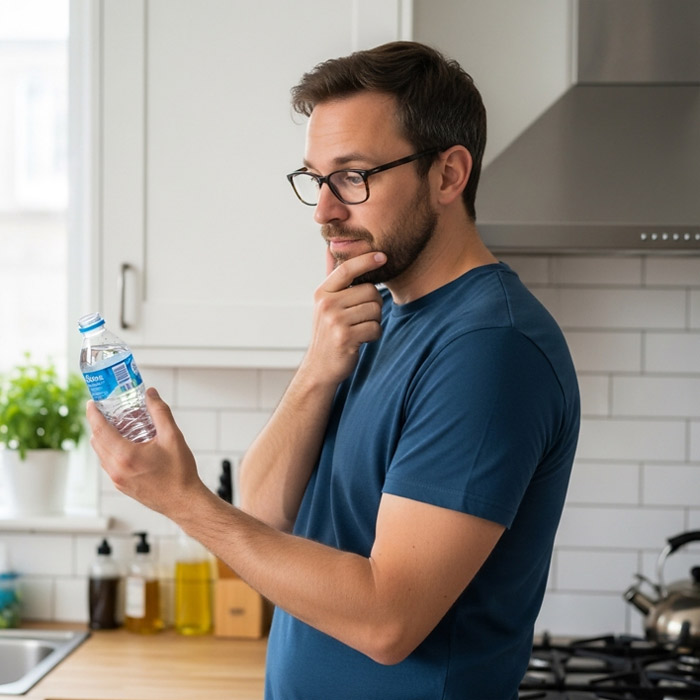
Find out whether bottled water is safer than well water, how each is regulated, common risks, and how testing, treatment, and daily use shape long-term water safety at home.
Why Bottled Water Seems Safer
Many people feel more comfortable with bottled water. It comes sealed, labeled, and ready to drink. That simple presentation gives a sense of control.
Well water feels different. It comes straight from the ground and doesn't pass through a city system. That can lead to uncertainty, even when the water looks clear and tastes fine.
Marketing also plays a role. Bottled water is often presented as clean and pure. Labels may mention mountain sources or advanced filtration. These details can shape perception, even though they don't tell the full story.
For homeowners with private wells, this question matters. Water is used every day for drinking, cooking, and cleaning. Confidence in that water has a direct impact on daily life.
What "Safe Water" Really Means
Water safety isn't about appearance or convenience. It comes down to what's actually in the water.
Contaminants can include bacteria, nitrates, metals, and chemicals. Some are harmful at very low levels. Others become a concern over time with repeated exposure.
Clear water can still carry contaminants. Taste and smell don't always provide reliable signals. Some unsafe water has no noticeable warning signs at all.
Testing is the only way to confirm safety. Without testing, any water source carries some level of uncertainty.
That's a key point. Safety is based on verified data, not assumptions.
How Bottled Water Is Regulated and Where It Falls Short
Bottled water is subject to standards that aim to protect public health. These standards set limits for contaminants and require certain testing practices.
However, bottled water isn't monitored in the same way as a public water supply. Testing doesn't happen continuously for every bottle. It's done at intervals and at specific stages of production.
Storage conditions also play a role. Bottles may sit in warehouses, trucks, or store shelves for extended periods. Heat and sunlight can influence the quality of the water and the container itself.
Another factor is transparency. Labels may list the source and basic treatment methods, but they don't always provide detailed, current test data.
This doesn't mean bottled water is unsafe. It means the level of control isn't as direct as many people assume.
How Well Water Is Tested, Maintained, and Treated
Private well water is the responsibility of the homeowner. There's no public agency testing it on a routine basis. That responsibility can feel like a burden at first. But it actually gives the homeowner full control over water quality.
Routine testing is the key step. Testing can identify bacteria, nitrates, metals, and other contaminants. Once a problem is found, it can be addressed with targeted treatment.
Water treatment systems are widely available. These include filtration, disinfection, and systems that remove specific contaminants such as arsenic or iron.
Maintenance also plays a role. A well system includes a pump, pressure tank, and piping. Keeping these parts in good condition supports steady water quality.
With regular testing and proper treatment, well water can meet high safety standards. The outcome depends on consistent attention, not chance.
Common Risks in Both Bottled Water and Well Water
Every water source carries some level of risk. The type of risk varies based on source, handling, and local conditions.
Bottled water can be affected by storage conditions. Heat can lead to changes in the plastic container. Over time, small particles can enter the water. In some cases, older inventory may sit longer than expected before use.
Well water risks depend on the local environment. Bacteria can enter through surface contamination. Nitrates may come from nearby agriculture or septic systems. Metals like arsenic or iron can be present in certain regions.
Sediment can also be an issue in wells, especially in older systems. This can lead to cloudy water or buildup in pipes and fixtures.
The key point is simple. Risk exists in both sources. It's not tied to the container or the origin alone. It's tied to what's actually in the water at the time it's used.
When Bottled Water Makes Sense
Bottled water has a clear role in certain situations.
- Short-term use is one of them. If a well system is being repaired or tested, bottled water can provide a temporary solution for drinking and cooking.
- Emergency situations are another case. Power outages, flooding, or equipment failure can interrupt a well system. Bottled water can help bridge that gap.
- Travel is also a factor. When water quality is unknown, bottled water can offer a level of convenience and consistency.
In these cases, bottled water serves a practical purpose. It fills a gap when the main water source isn't available or reliable.
When Well Water Can Be a Strong Long-Term Option
For daily household use, well water offers consistency when it's properly maintained.
- Water testing provides direct insight into the water being used in that specific home. That level of detail allows for targeted solutions.
- Water treatment systems can address known issues. Once installed and maintained, they can provide steady water quality over time.
- There's also the benefit of independence. The homeowner isn't relying on outside supply chains or store availability.
With routine care, a well system can provide a steady and reliable source of water for many years.
Here are some factors to consider when it comes to cost, convenience, and waste involving bottled water:
- Cost becomes a factor over time. Bottled water requires ongoing purchases. The expense adds up, especially for larger households.
- Storage is another concern. Cases of water take up room and need to be managed. Running out means another trip to the store.
- Waste also comes into play. Plastic bottles contribute to landfill and recycling systems. Even with recycling, not all materials are reused.
Well water has its own costs, mainly related to testing, maintenance, and treatment systems. But these costs are more predictable over time, and a water treatment can actually save you money over time. In addition, having water available directly from the tap reduces the need for storage and repeated purchases.
The decision comes down to reliable information and practical needs.
Testing well water on a regular basis provides clear data. If the water meets safety standards, it can be used with confidence. If issues are found, they can be addressed with treatment.
Bottled water can be used when needed, especially during short-term disruptions or uncertain conditions.
Relying on assumptions can lead to unnecessary expense or concern. Clear information leads to better choices. Water safety isn't about branding or packaging. It's about knowing what's in the water and taking the right steps based on that information.
Bottled water and well water serve different roles in daily life. Safety depends on testing, handling, and ongoing care. A well system that's checked and maintained can provide dependable water for years. Bottled water remains useful during short-term needs or unexpected disruptions. Clear information, steady habits, and attention to water quality help homeowners stay confident in the water they use every day.