
How High Iron and Rust in Water Affect Plumbing and Appliances
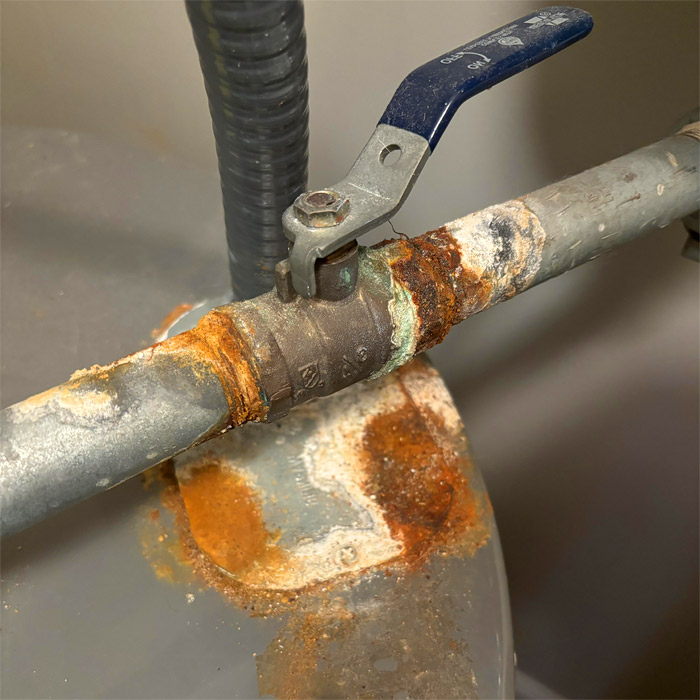
This article explains how high iron and rust in water impact plumbing, fixtures, and household appliances, including buildup, staining, reduced flow, and long-term wear inside a home's water system.
What High Iron and Rust in Water Usually Means
High iron or rust in water is one of the more noticeable water quality issues in a home. It usually shows up as reddish or brown discoloration, a metallic taste, or small particles in the water. Some people first notice it in the sink or shower. Others see it in laundry or around drains.
At first, it may seem like a cosmetic problem. The water still runs, and daily use continues. Over time, though, these signs point to something happening inside the plumbing system. Iron and rust don't pass through the system without leaving a trace. They settle, collect, and build up in places that aren't always visible.
That buildup changes how water moves through pipes and fixtures. It can interfere with water flow, leave marks on surfaces, and slowly change how appliances perform. What starts as a minor nuisance can turn into a steady source of frustration if it's left alone.
Where Iron and Rust in Water Come From
Iron in water usually comes from natural sources, especially in homes that rely on well water. Groundwater can dissolve iron as it moves through soil and rock. That iron stays in the water until it reaches the home.
Rust is slightly different. It comes from the breakdown of metal components. Pipes, well casings, and other parts can corrode over time. As corrosion develops, small rust particles can enter the water supply.
There are also different forms of iron to consider. Some iron is dissolved and not visible when the water first comes out of the tap. Other forms appear as particles or flakes that can be seen right away. Both can cause problems inside the plumbing system.
In some homes, the issue comes from both the water source and the plumbing. Natural iron may already be present, and aging pipes may add rust into the mix. This combination can make the problem more noticeable and harder to ignore.
How Iron Buildup Starts Inside Pipes and Fixtures
When water carries iron through a plumbing system, it doesn't stay evenly distributed. As water slows down or changes direction, iron can begin to settle on surfaces. Over time, this leads to buildup inside pipes, valves, and fixtures.
This buildup doesn't happen all at once. It forms gradually, layer by layer. Narrow sections of piping, such as elbows and valves, are more likely to collect deposits. Faucet aerators and showerheads are also common spots where buildup shows up.
As these deposits grow, they begin to restrict the internal diameter of the pipe or component. Water still moves through, but not as freely as before. This can change how fixtures perform and how water feels during use.
The process is slow, which makes it easy to overlook. By the time it becomes noticeable, buildup may already be present in several parts of the system.
How Iron and Rust Can Lower Water Pressure and Restrict Flow
As buildup continues inside pipes and fixtures, it begins to interfere with water flow. The path that water travels through becomes narrower. This restriction reduces the amount of water that can pass through at one time.
Water from faucets and showerheads may start to feel weaker. Water pressure may seem lower than it used to be. In some cases, the change is uneven. One fixture may still perform normally, while another shows reduced flow.
Clogging can also occur in small openings. Aerators, screens, and appliance inlets can collect iron particles and rust flakes. This can block water movement and lead to inconsistent flow.
The change is not always sudden. It builds over time, which can make it harder to pinpoint when the problem started. What matters is the pattern. Reduced flow, uneven pressure, and repeated clogging all point toward buildup inside the system.
Staining and Fixture Damage Caused by Iron and Rust in Water
Iron and rust leave visible marks on surfaces throughout the home. Sinks, tubs, toilets, and showers may develop reddish or brown stains. These stains can appear around drains, along water lines, or anywhere water collects.
Cleaning may remove some of the staining, but it doesn't stop new stains from forming. Over time, surfaces can become harder to keep clean. Repeated exposure to iron-rich water can leave lasting discoloration.
Fixtures can also be affected beyond appearance. Deposits can collect around moving parts, such as valves and handles. This can change how smoothly they operate and may lead to wear over time.
These changes may seem minor at first. With continued exposure, they become more noticeable and more difficult to manage.
How Iron and Rust Affect Water Heaters
Water heaters are especially vulnerable to iron and rust. As water enters the tank, any iron it carries can settle at the bottom. Over time, this forms a layer of sediment.
This buildup can interfere with how the water heater operates. Heat transfer becomes less efficient when sediment is present. The system may need to work harder to maintain temperature, which can lead to additional strain.
Rust and iron can also contribute to discoloration in hot water. Some homeowners notice that hot water looks darker or carries more particles than cold water. This can be a sign that buildup inside the water heater is part of the issue.
As the water heater continues to operate under these conditions, internal components may wear down more quickly. The effects may not be immediate, but they build over time.
How Iron and Rust in Water Affect Household Appliances
Many household appliances rely on a steady flow of clean water. When iron and rust are present, these appliances can begin to show signs of strain.
Washing machines may develop staining inside the drum or on clothing. Iron in the water can leave marks on fabrics, especially lighter colors. Clothes may look dingy even after washing.
Dishwashers can also be affected. Glassware and dishes may show spots or a slight discoloration. Internal components can collect buildup, which can interfere with spray patterns and cleaning performance.
Appliances with water lines, such as refrigerators and ice makers, can experience clogging or reduced flow. Small openings are more likely to collect particles, which can change how the appliance operates.
Humidifiers and similar equipment can also show buildup over time. Any device that uses water can be affected when iron and rust are present.
Why Laundry and Dishes Show High Iron Issues So Clearly
Laundry and dishes are two areas where iron and rust issues become very noticeable. Water interacts directly with fabrics and surfaces, which makes any impurities stand out.
Clothing, especially white or light-colored items, can develop rust stains. These stains may appear after a single wash or build up over time. Once they set in, they can be difficult to remove.
Dishes and glassware may show spots or a slight film. Even after a full wash cycle, the finish may not look clean. This can be frustrating, especially when the dishwasher appears to be working as it should.
These visible signs help confirm that iron is present in the water. They also highlight how the issue extends beyond plumbing and into everyday use.
Iron and rust problems tend to build over time. Early signs may be mild, but they can grow more noticeable if the underlying issue is not addressed.
- Water discoloration may become stronger. Staining may appear more quickly or in more areas of the home. Fixtures may need more frequent cleaning.
- Clogging can also become more common. Aerators, screens, and appliance inlets may need to be cleaned or replaced more often. Water flow may continue to decline as buildup increases.
- Hot water may show more sediment or discoloration than before. This can point to growing buildup inside the water heater.
These patterns suggest that the problem is progressing. They provide useful signals that it may be time to take a closer look at the water and the system.
When iron and rust are present in water, the next step is to confirm the source and level of the problem. Testing provides clear information about what's in the water water and how much is present.
Inspection of plumbing components and the well system can also help identify where buildup or corrosion is occurring. This helps determine if the issue is coming from the water source, the plumbing, or both.
Once the cause is understood, the appropriate steps can be taken to address it. The goal is to reduce the amount of iron and rust moving through the system and limit further buildup. Taking action based on accurate information leads to better long-term performance and fewer ongoing issues.
How to Reduce Iron and Rust in Water
There are several ways to treat the water to reduce iron and rust.
- If the problem involves visible particles or rust flakes, a sediment filter can help. Installed where water enters the home, it captures debris before it moves through pipes, fixtures, and appliances. This helps limit buildup and reduces clogging in smaller components.
- When iron is dissolved and not visible at first, a dedicated iron filtration system is usually needed. These systems change dissolved iron into solid particles, then remove them from the water. This type of setup is common in homes with well water and moderate to high iron levels.
- For lower iron levels, a water softener may help. It can remove small amounts of iron along with hardness minerals. This approach works best when iron levels are not too high and when hardness is also present.
- If rust is coming from inside the plumbing, the focus shifts to the materials themselves. Older galvanized pipes, corroded fittings, or aging well components may need to be replaced. If the water is acidic, adjusting the pH can reduce corrosion and slow down the release of rust into the water.
- Hot water systems should also be checked. If rust or sediment appears more in hot water, flushing the water heater can remove buildup inside the tank. Inspecting the anode rod may also help maintain better internal conditions.
No matter which approach is used, maintenance plays a steady role. Filters need to be replaced, systems need periodic service, and buildup should be addressed before it spreads. When the right solution is matched to the cause and maintained over time, iron and rust in the water can be brought under control.
Why Ignoring High Iron and Rust in Water Can Lead to Bigger Plumbing Problems
Leaving iron and rust untreated allows buildup to continue inside the plumbing system. Over time, this can lead to more than just staining or reduced flow.
Restricted pipes can place added strain on the system. Water may not move as freely, which can change how fixtures and appliances perform. Repeated clogging can lead to more maintenance and inconvenience.
Internal surfaces may continue to collect deposits. This can make future cleaning or repair more difficult. In some cases, parts may need to be replaced sooner than expected.
The issue will not correct itself. Without action, the buildup continues to grow. Addressing the problem earlier can reduce the impact on the system over time.
High iron and rust in water can lead to buildup, staining, restricted flow, and added wear on plumbing and appliances. These effects develop over time and can become more noticeable with continued exposure. By recognizing the signs and identifying the source, homeowners can take practical steps to address the issue and support a more reliable water system.