
How an Older Well Can Affect Water Quality and Pressure
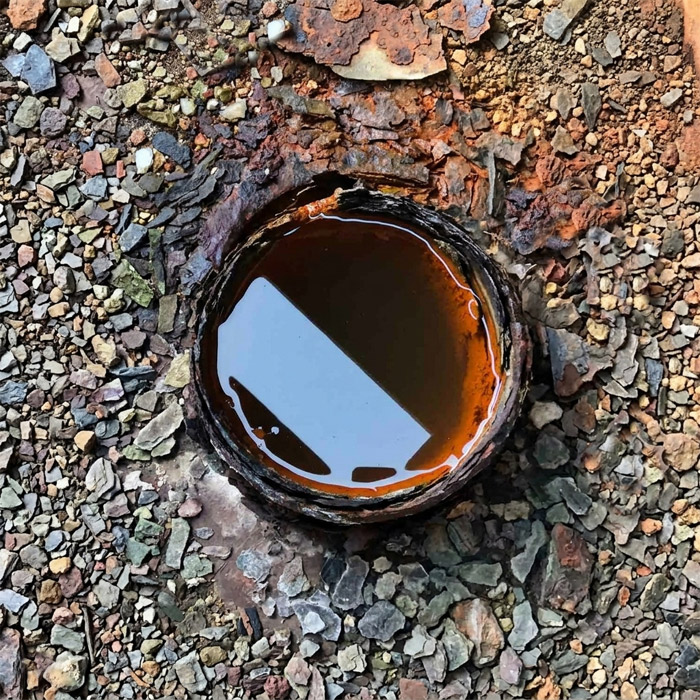
This article explains how an older well can impact water quality and pressure over time, covering corrosion, outdated construction, sediment buildup, and changing groundwater conditions that influence long-term performance in homes.
How Old is an Old Well?
A well is generally considered "old" once it reaches about 40 years of age, though signs of aging can begin earlier depending on construction, water conditions, and maintenance. So the well's condition often matters more than its age. A 15-year-old well with poor construction or heavy mineral content can have issues, and a 50-year-old well that's been maintained and built well can still perform reliably. So "old" really means a well that has reached the stage where aging materials and long-term use start affecting performance or water quality.
How an Older Well Changes Over Time
A private well doesn't stay the same year after year. Even if it continues to supply water, its condition shifts slowly as materials age and underground conditions change. These changes rarely happen all at once. They build over time, which makes them easy to overlook.
Years of use place steady stress on the well structure. Water moves through the casing, pipes, and intake areas day after day. Minerals pass through. Fine particles settle. Small weaknesses develop. None of this stands out at first, but it adds up.
An older well may still function, but it may not perform the way it did when it was first installed. Water can look different, taste different, or feel less steady at the tap. These changes aren't always tied to one clear cause. They come from a mix of aging materials and shifting conditions below ground.
Older Well Construction Standards and Materials
Wells built decades ago were installed under different rules and common practices. Materials that were once standard may no longer be used today. Protective measures that are routine now may not have been part of older installations.
Older wells may have thinner casing, weaker seals, or less protection at the surface. Some may sit closer to contamination sources than current guidelines allow. The well cap, which helps keep out debris and insects, may not seal as tightly as newer designs.
These factors don't mean an older well is unsafe by default, but they can increase the chance of issues developing over time. The structure may be more exposed to outside influences. Small entry points for surface water or debris can form as materials wear down.
Understanding how and when the well was built helps explain why certain problems appear later on. Age alone doesn't tell the full story, but it does raise the need for closer attention.
Corrosion Inside an Aging Well System
Metal components inside a well system can break down slowly. Casing, pipes, and fittings are all exposed to water and dissolved minerals. Over time, corrosion can begin to take hold.
Corrosion changes the inside surface of these materials. It can lead to rust particles in the water, which may show up as reddish or brown staining (not related to a high iron content in the water). A metallic taste may also develop. These signs can be mild at first, then grow more noticeable.
There's also a structural side to corrosion. As metal wears away, pipes can narrow or weaken. This restricts water movement and can reduce water pressure in the home. The change may feel gradual, but it can become more noticeable during heavy water use.
In some cases, corrosion can expose underlying materials or allow small leaks within the system. These changes can lead to more complex water quality concerns over time.
Sediment, Scale, and Buildup in an Older Well
As water flows through a well, it carries fine particles and dissolved minerals. Over the years, these materials settle and collect in different parts of the system.
Sediment can gather near the intake area, inside the well casing, or within connected plumbing. Mineral scale can form along pipe walls and narrow the path that water travels through. This buildup doesn't stop water flow completely, but it can reduce how freely water moves.
Homeowners may notice cloudy water, fine grit, or deposits on fixtures. Over time, faucets and appliances may show signs of clogging. Water pressure can drop, especially when multiple fixtures are in use.
This type of buildup is tied to long-term use. It doesn't point to a sudden failure, but reflects years of gradual accumulation that slowly changes how the system performs.
How an Older Well Becomes More Vulnerable to Contamination
A well is designed to keep outside contaminants from entering the water supply. As the structure ages, its ability to block those contaminants can weaken.
Cracks in the casing, worn seals, or a loose well cap can allow surface water to enter. This water may carry bacteria, fertilizers, or other pollutants from the surrounding area. Even small openings can allow contaminants to move into the well over time.
Changes in the surrounding land can also play a role. Soil movement, heavy rainfall patterns, or nearby activity can increase the chance of outside material reaching the well.
This doesn't mean contamination is present in every older well, but it does mean the risk can rise as protective components wear down. Regular testing becomes more important as the well ages.
Changes in Water Quality With Well Age
Water quality can shift in ways that feel subtle at first. Color, taste, and odor may change gradually. These shifts may not seem urgent, but they point to underlying changes within the well system.
Rust staining can appear on sinks, tubs, or laundry. A metallic flavor may develop. Water may look slightly cloudy or carry fine particles that settle over time. Odors, such as a sulfur smell, can also become more noticeable.
These changes can come from corrosion, sediment buildup, or increased exposure to outside materials. They may also reflect shifts in the groundwater itself. Aquifers are not static. Over time, the composition of the water can change.
Even when water still seems usable, these signs shouldn't be ignored. They provide early clues that the well system is aging and may need attention.
Why Water Pressure Can Drop in an Older Well
Water pressure issues aren't always tied to equipment failure. In an older well, water pressure can decline due to gradual restrictions within the system.
Buildup inside pipes and the well casing can narrow the flow path. Sediment near the intake area can limit how quickly water enters the system. Mineral deposits can reduce internal diameter in pipes, which slows movement.
These changes don't happen overnight. Pressure may feel slightly weaker at first, then become more noticeable during peak use. Showers, appliances, and outdoor water use may all feel less steady.
In some cases, the pressure tank and related components may also show signs of age. Even if they still operate, their performance may not be as stable as it once was.
This type of pressure change is tied to long-term wear and restriction, not sudden breakdown.
The Role of Declining Well Yield Over Time
Well yield refers to how much water a well can supply over a given period. In some older wells, yield can decrease slowly.
Several factors can contribute to this. Sediment can clog intake areas. Fine particles can shift and settle around the well screen. Years of use can change how water moves through the surrounding ground.
As yield declines, the well may take longer to recover after heavy use. Water may still be available, but it may not keep up with demand as easily as before.
This change can feel like a pressure issue, but the root cause lies in the supply side of the system. The well is still working, yet its output has shifted over time.
Why Water Testing and Inspection Matter More With Age
As a well gets older, routine checks become more important. Visual signs alone don't tell the full story. Some changes happen below the surface, where they aren't easy to detect.
Water testing can identify bacteria, mineral levels, and other contaminants. It provides clear information about what's present in the water. This helps guide any needed action.
Professional inspection can also reveal structural concerns. Cameras and specialized tools can assess casing condition, sediment buildup, and other internal factors.
These steps provide clarity. They reduce guesswork and help identify issues before they grow into larger problems.
What Homeowners Can Do to Protect an Older Well
There are practical steps that can help maintain an older well and reduce the chance of problems.
- Regular water testing is one of the most important actions. It tracks changes over time and helps catch issues early.
- Keeping the well cap secure and in good condition helps block debris and insects.
- Maintaining proper grading around the well prevents surface water from pooling near the opening. This reduces the chance of contamination entering the system.
- Addressing sediment and mineral buildup through appropriate water treatment methods can improve water flow and quality. Replacing worn components, such as aging pipes or seals, can also support better performance.
When an Older Well May Need Rehabilitation or Replacement
There comes a point when repairs alone may not be enough. Severe corrosion, heavy buildup, or structural damage can limit how much improvement is possible.
In some cases, cleaning or rehabilitating the well can restore performance. This may involve removing buildup or addressing localized issues within the system.
If the well structure is significantly worn or no longer meets current standards, replacement may be considered. This is a larger step, but it may provide a more stable and reliable water supply over time.
The decision depends on the condition of the well and the extent of the issues present.
An older well can continue to supply water for many years, but its condition changes over time. Corrosion, buildup, and structural wear can influence both water quality and pressure. Regular testing, inspection, and maintenance help keep the system reliable and reduce the chance of unexpected problems.