How to Extend the Life of Your Water Treatment System
This article explains how to extend the life of your water treatment system through testing, maintenance, proper use, and early problem detection, helping homeowners avoid breakdowns and unnecessary replacement costs.
Why Water Treatment Systems Wear Out Sooner Than Expected
Water treatment systems work every day, and that constant demand adds up over time. Many systems fail earlier than expected, not because of poor design, but due to conditions they were never set up to handle.
Hard water, iron, sediment, and other contaminants place steady strain on internal parts. Valves cycle more frequently, filters clog faster, and moving components wear down under pressure. When the system is exposed to these conditions without proper care, wear accelerates.
Another factor is mismatched equipment. A system designed for light sediment may struggle in a home with heavy iron or high hardness levels. That mismatch leads to overwork, shorter service life, and more frequent repairs.
Lack of maintenance is another major cause. Skipped filter changes, low salt levels, or ignored warning signs allow small issues to build. Over time, those small issues become costly failures.
Understanding these factors sets the stage for better long-term care. The goal isn't to eliminate wear, but to slow it down through consistent attention.
Know Your Water Treatment System and Its Maintenance Needs
Every water treatment system has its own design and service requirements. A homeowner who understands their system is in a much better position to keep it running well.
Common systems include water softeners, iron filters, carbon filters, reverse osmosis units, and UV disinfection systems. Each one targets a different problem and uses different methods to treat water for contaminants:
- Water softeners rely on resin beds and salt to remove hardness.
- Iron filters use media to trap or oxidize iron.
- Carbon filters remove chlorine, odors, and certain chemicals.
- Reverse osmosis systems push water through a membrane to remove a wide range of contaminants.
- UV systems use light to control bacteria.
Each system has parts that wear at different rates. Filters clog, resin beds degrade, membranes lose efficiency, and UV bulbs weaken over time. These changes don't happen all at once, but they do require attention.
Knowing what water treatment system is installed, what it treats, and how it operates makes maintenance more straightforward. It also helps prevent incorrect service, such as using the wrong materials or skipping key steps.
Start With Regular Water Testing
Water testing is one of the most important parts of extending system life. Without it, maintenance becomes guesswork.
Testing reveals what's actually present in the water. This can include hardness, iron, manganese, nitrates, bacteria, and other substances. Once these are known, the system can be adjusted or maintained based on real conditions.
Water quality can change over time. Seasonal shifts, nearby activity, or changes in groundwater can all influence what comes through the system. Regular testing helps track those changes.
Testing also confirms whether the system is doing its job. If treated water still contains contaminants, it may point to worn components or improper settings.
A simple testing schedule helps keep things on track. It removes uncertainty and supports better decisions about maintenance and repair.
Routine maintenance is where many systems either hold up well or begin to fail.
Filters need to be replaced on a regular schedule. When they clog, water flow slows and pressure increases within the system. That added strain can damage valves and other components.
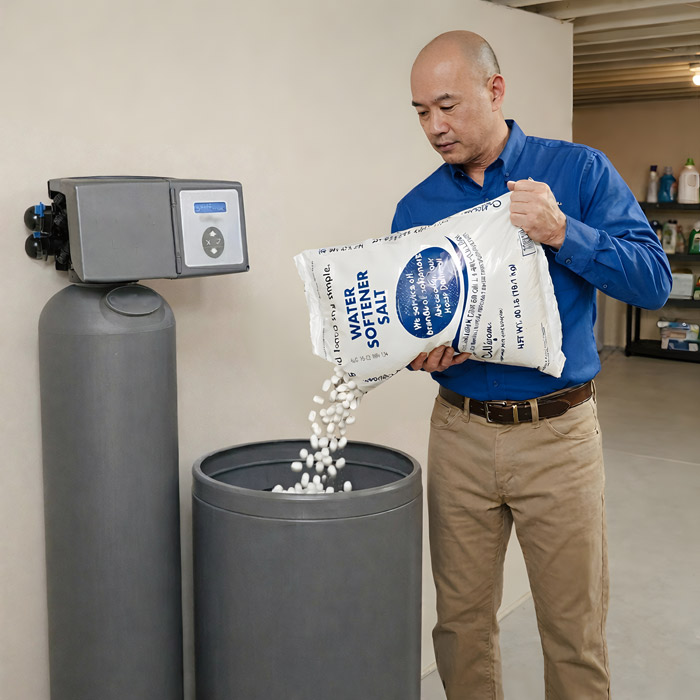
Water softeners need salt to function properly. Low salt levels reduce efficiency and can lead to hard water passing through untreated. Over time, this puts stress on plumbing and appliances.
Other components also need attention. Injectors, screens, and tanks can collect buildup. Cleaning these parts helps maintain proper flow and system performance.
UV systems require periodic bulb replacement. Even if the light is still on, its ability to treat water declines over time.
Sticking to a maintenance schedule doesn't take much time, but it has a strong impact on system life. Skipping these steps tends to shorten that life in a noticeable way.
Water treatment systems usually give early signals when something isn't right. Catching these signs early can prevent larger issues.
Changes in water pressure are one of the first signs. A drop in water pressure can indicate clogged filters or buildup in the system. Sudden pressure changes can also point to valve issues.
Taste and odor changes are another clue. If treated water begins to smell or taste different, it may indicate that filters are no longer working as intended.
Visible signs like staining, spotting, or scale buildup can return when treatment isn't effective. These signs are easy to overlook at first, but they provide clear feedback.
Unusual sounds from the system, such as frequent cycling or irregular operation, can also signal trouble. These sounds may point to mechanical wear or control issues.
Paying attention to these details allows problems to be addressed before they grow.
Water treatment systems are sensitive to their environment. External factors can shorten their lifespan if they're not managed properly.
Sediment is a major source of wear. Fine particles can move through the system and settle in valves and media. A sediment prefilter can reduce this load and protect the main system.
High water pressure can strain seals, fittings, and internal components. If pressure is too high, a pressure-reducing valve may be needed to keep it within a safe range.
Temperature also plays a role. Freezing conditions can damage pipes and system housings. Excess heat can affect certain materials and reduce system performance.
Moisture and corrosion can impact exposed components. Keeping the system in a dry, stable location helps limit this type of damage.
These protective steps don't require major changes, but they help reduce wear on key parts.
Daily use has a direct impact on how long a system lasts. Small habits can either support or strain the equipment.
- Using the correct materials is one example. Water softeners require the right type of salt. Substituting other materials can interfere with system operation.
- Overloading the system can also lead to problems. Running multiple high-demand appliances at once can push the system beyond its intended capacity.
- Bypassing maintenance steps is another issue. Delaying filter changes or skipping routine care may seem minor, but it builds pressure on the system over time.
It's also helpful to understand what the system can and cannot handle. A carbon filter won't remove every contaminant, and a water softener won't address bacteria. Using the system within its intended purpose supports longer life.
Some tasks can be handled by the homeowner, but others benefit from professional attention.
Periodic service visits allow a technician to check system performance, inspect components, and make adjustments. These visits can catch issues that aren't obvious during daily use.
Settings may need to be adjusted over time. Changes in water quality or household usage can shift how the system should operate.
Worn parts can be replaced before they fail completely. This approach reduces downtime and prevents damage to other components.
When a problem occurs, it's not always necessary to replace the entire system. Many issues can be resolved by repairing or replacing specific parts.
Valves, seals, filters, and control components can be replaced without affecting the rest of the system. If the main structure is still in good condition, these repairs can extend its usable life.
A full replacement may be needed if the system is outdated, heavily worn, or no longer suited to current water conditions. In many cases, though, targeted repairs are enough.
Understanding this distinction helps avoid unnecessary expense and keeps a functioning system in service longer. Also keep this in mind: a water treatment system can actually save you money over time.
Long-term care of your water treatment system comes down to consistent habits:
- Keeping a maintenance schedule helps track when filters, salt, and other parts need attention. Simple reminders can prevent missed steps.
- Saving service records provides a history of the system. This can be useful when diagnosing problems or planning future care.
- Regular water testing keeps the system aligned with current conditions. It also confirms that treatment is working as expected.
- Staying aware of changes in water quality or system behavior allows for early action. Small adjustments can prevent larger issues later.
A water treatment system can last for many years when it's used and maintained with care. Regular testing, steady maintenance, and attention to small changes all play a role in extending its life. Simple habits and timely service help reduce strain on the system and keep it working as intended. With a clear understanding of how the system operates and what it needs, homeowners can avoid unnecessary repairs and keep their water treatment system running reliably for the long term.